
What to Compare When Choosing Ski Travel Insurance
Sarah Mitchell
Travel Insurance Specialist, 12 years experience
Choosing ski travel insurance can feel overwhelming — every provider claims to be comprehensive, and policy documents are long and full of technical language. This guide cuts through the complexity and tells you exactly what to compare when evaluating ski insurance for your next trip.
The Five Key Comparison Points
1. Medical and Evacuation Cover
The single most important factor. Look for: - Unlimited medical cover: The best policies offer unlimited overseas emergency medical and hospital cover. Do not accept a capped policy under $5 million for ski travel — and ideally choose unlimited. - Helicopter evacuation: Must be explicitly included. This is not the same as medical treatment — the rescue itself (getting you off the mountain) is a separate cost. - Medical repatriation: Covered transport back to New Zealand for ongoing treatment. - 24/7 emergency assistance: Available direct-dial from overseas.
2. Off-Piste Coverage
Ask yourself: "Do I plan to ski anywhere other than groomed, marked runs?"
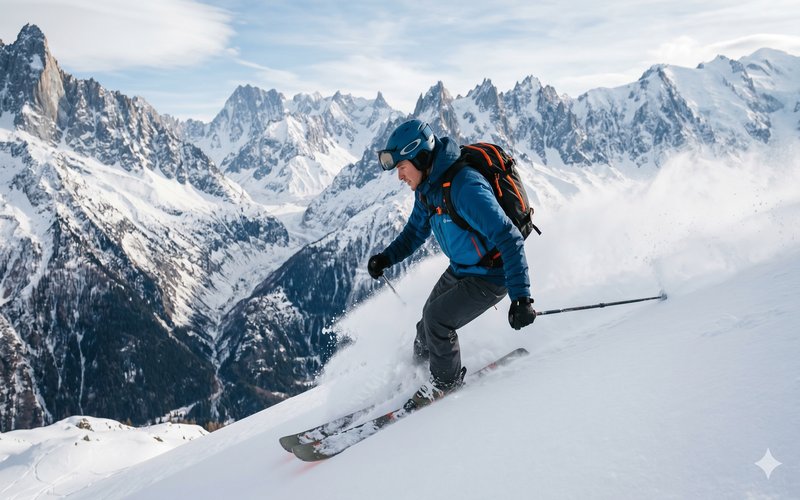
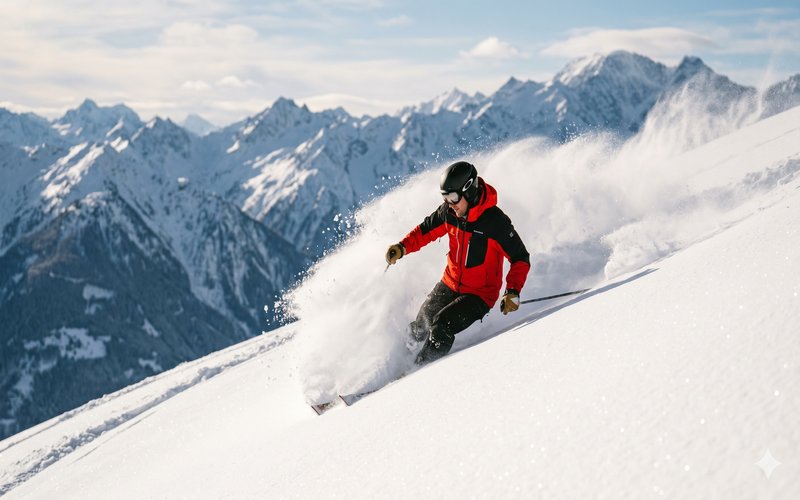
If yes — even occasionally — you need off-piste cover. This includes: - Skiing between marked runs on natural terrain - Accessing off-piste zones through resort gates (common at Niseko, European Alps) - Any guided backcountry experience
Off-piste cover is an upgrade from standard ski add-ons. Cover-More Snow Sports+ and World Nomads Explorer plan both include it.
3. Equipment Cover Limits
Calculate the replacement value of your equipment. Include: - Skis/board: Current retail value - Boots: Current retail value - Outerwear (jacket, pants): Often overlooked but valuable - Goggles, helmet, gloves: Add up quickly
Compare the equipment cover limit to your total kit value. A $1,500 limit is inadequate for a $3,000 setup.
Also check: Does the policy cover hire costs if your equipment is lost, damaged, or delayed?
4. Piste Closure Cover
A nice-to-have rather than essential — but valuable if you're travelling early or late season, or to resorts with known snow reliability issues.
Look for: - Daily compensation rate after trigger (typically $100–$150 per day) - Trigger threshold (typically 12 consecutive hours closure) - Covered causes (bad weather, insufficient snow, avalanche)
5. Trip Cancellation Limits
For international ski trips with significant non-refundable costs: - How much is your total non-refundable spend? (Flights + accommodation + lift passes) - Does the cancellation limit cover this amount? - What events trigger cancellation cover?
What NOT to Focus On
Price alone: The cheapest ski policy is rarely good value if it caps medical cover, excludes off-piste, or has low equipment limits. A quality comprehensive ski policy is worth paying for.
Policy names and marketing language: "Comprehensive," "Premium," and "Gold" mean different things from different providers. Read the summary of cover, not the marketing copy.
The Quick Checklist
Before purchasing any ski policy, confirm: ☑ Unlimited (or very high) medical cover ☑ Helicopter rescue explicitly included ☑ Medical evacuation and repatriation included ☑ Off-piste cover if needed (or acceptable exclusion) ☑ Equipment cover sufficient for your gear ☑ 24/7 emergency assistance ☑ Activities you plan to do are explicitly covered (check exclusions list)
🔍 Find your ski insurance