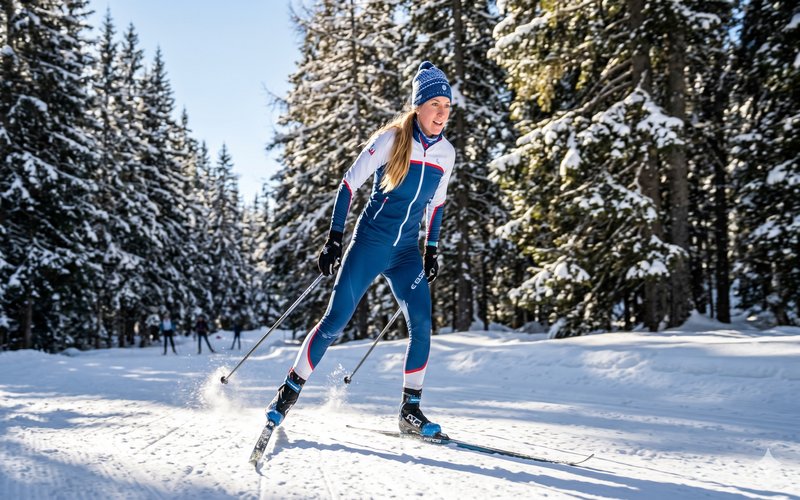
Cross-Country Skiing Insurance
Nordic skiing through snow-covered landscapes — from gentle trails to remote touring
Key Risks
- ⚠Muscle strains and overuse injuries
- ⚠Falls on icy terrain
- ⚠Cold and hypothermia in remote areas
- ⚠Navigation errors in backcountry touring
What Insurance Covers
- ✓Medical treatment for injuries
- ✓Evacuation from remote areas
- ✓Equipment cover
- ✓Trip cancellation
💡 Insurance Tip
Cross-country skiing on groomed trails is low-risk and usually covered under standard snow sports add-ons. If you plan backcountry ski touring in remote terrain, check whether evacuation from remote locations is covered.
Cross-country skiing — also known as Nordic skiing — offers a different dimension of winter sports enjoyment, emphasising endurance, technique, and the exploration of snow-covered landscapes at a gentler pace than downhill disciplines. For New Zealand travellers, cross-country skiing features at some domestic ski areas and is a major activity at international destinations.
Groomed Trail vs Backcountry Touring
Cross-country skiing comes in two main forms, each with different insurance implications:
Groomed trail skiing (classic cross-country): Skiing on prepared, marked trails at a ski resort or cross-country park. This is the lower-risk form, with well-maintained tracks, marked routes, and proximity to resort facilities. Most standard snow sports add-ons explicitly include cross-country skiing on groomed trails.
Backcountry ski touring: Skiing through ungroomed natural terrain, potentially far from established trails and resort infrastructure. The risks are higher — navigation, weather changes, and the distance from rescue services increase the challenge. Insurance for backcountry touring should be verified carefully, particularly regarding evacuation coverage from remote locations.
New Zealand Cross-Country Skiing
New Zealand's ski areas offer limited dedicated cross-country terrain, but some options exist: - **Waiorau Nordic Ski Area** (near Cardrona, Wanaka): New Zealand's only dedicated Nordic ski area, with groomed trails - **Ruapehu**: Some cross-country opportunities around the Tongariro National Park terrain
For serious cross-country skiing, Nordic-focused trips to Scandinavia, Canada, or the Dolomites offer purpose-built facilities and extensive groomed trail networks.
Insurance Considerations
Cross-country skiing carries lower injury risk than downhill disciplines — falls are less severe, and speeds are lower. The injury profile includes muscle strains, overuse injuries, and occasional falls on icy terrain. Medical treatment costs are typically lower than downhill skiing, though evacuation from backcountry touring areas can be expensive.
Ensure your snow sports add-on specifically lists cross-country skiing as a covered activity. Most do, but it's worth confirming before departure.
Common Exclusions
- ✗Backcountry touring in extreme remote terrain (check policy)
- ✗Racing or competition events