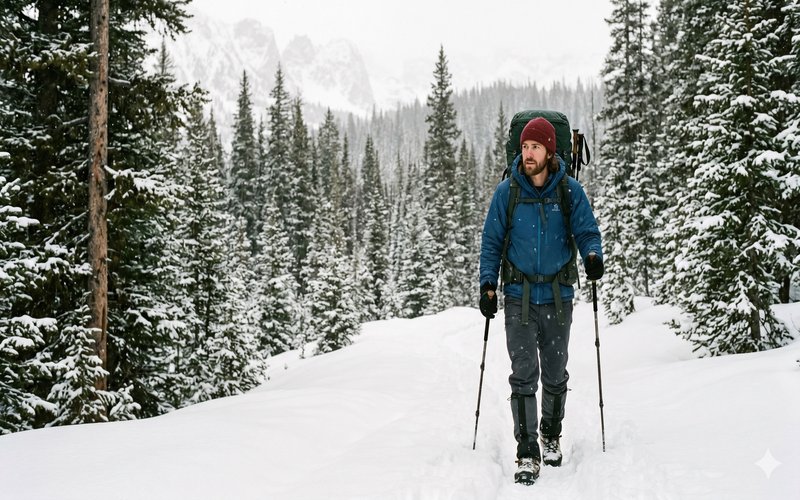
Winter Hiking & Tramping Insurance
Multi-day winter hiking requires the right adventure cover
Key Risks
- ⚠Severe weather exposure
- ⚠Avalanche risk on alpine terrain
- ⚠River crossings in flood conditions
- ⚠Getting lost in snow-covered terrain
- ⚠Cold injury and hypothermia
What Insurance Covers
- ✓Medical treatment and hospital
- ✓Search and rescue
- ✓Evacuation (helicopter or ground)
- ✓Trip cancellation
💡 Insurance Tip
World Nomads covers trekking up to 6,000m on their Explorer plan, making them a strong choice for serious alpine hiking. Declare the highest altitude you plan to reach and name specific tracks if possible.
Winter hiking and tramping in alpine environments offers spectacular landscapes and a profound sense of adventure, but it also brings challenges — and risks — that standard travel insurance may not automatically cover. New Zealand's great walks and alpine tracks take on a very different character in winter conditions, and international trekking destinations like Nepal, Patagonia, and the European Alps require careful insurance consideration.
Winter vs Summer Hiking: Why Insurance Differs
Summer hiking on marked tracks is generally covered under standard travel insurance as a low-risk recreational activity. Winter hiking in alpine environments is different in several critical ways:
- **Weather severity**: Winter conditions bring the possibility of sudden, extreme weather events — whiteouts, avalanches, severe wind and cold
- **Track conditions**: Snow and ice make routes more challenging and increase fall risk
- **Increased rescue complexity**: Mountain rescue in winter is more complex, dangerous, and expensive
- **Avalanche risk**: Alpine winter hiking may cross avalanche terrain
For these reasons, winter alpine hiking may require an adventure travel add-on or a specialist adventure travel policy.
NZ Winter Tramping
New Zealand's Great Walks and alpine tracks in winter conditions include: - **Tongariro Alpine Crossing**: A challenging route across volcanic terrain — particularly demanding in winter with ice and snow - **Mt Aspiring National Park**: Remote alpine terrain requiring full expedition planning in winter - **Mt Cook / Aoraki National Park**: Alpine tramping and glacier routes
The New Zealand Alpine Club (NZAC) also offers its own insurance product for alpine activities, which is worth investigating for serious mountaineers and winter trampers.
International Winter Trekking Destinations -
Altitude Limits
Most standard travel insurance policies do not specify altitude limits for recreational hiking. Adventure-focused providers like World Nomads set explicit limits — 6,000m on the Explorer plan — which covers most popular trekking destinations including Everest Base Camp.
Common Exclusions
- ✗Unguided high-altitude mountaineering (most standard policies)
- ✗Trekking above elevation limits (varies by policy)
- ✗Activities in officially closed areas